Spokane, WA
Commercial De-Icing in Spokane
Spokane's real winter hazard isn't the snowfall: it's the refreeze. Ice control keyed to pavement temperature, not to the forecast.
- Seasonal contracts with a mapped site plan
- 24/7 storm monitoring and overnight service
- Written scope, trigger depths & priority order
- Licensed, bonded & insured, COIs on request
De-Icing · Spokane
Commercial De-Icing in Spokane, WA
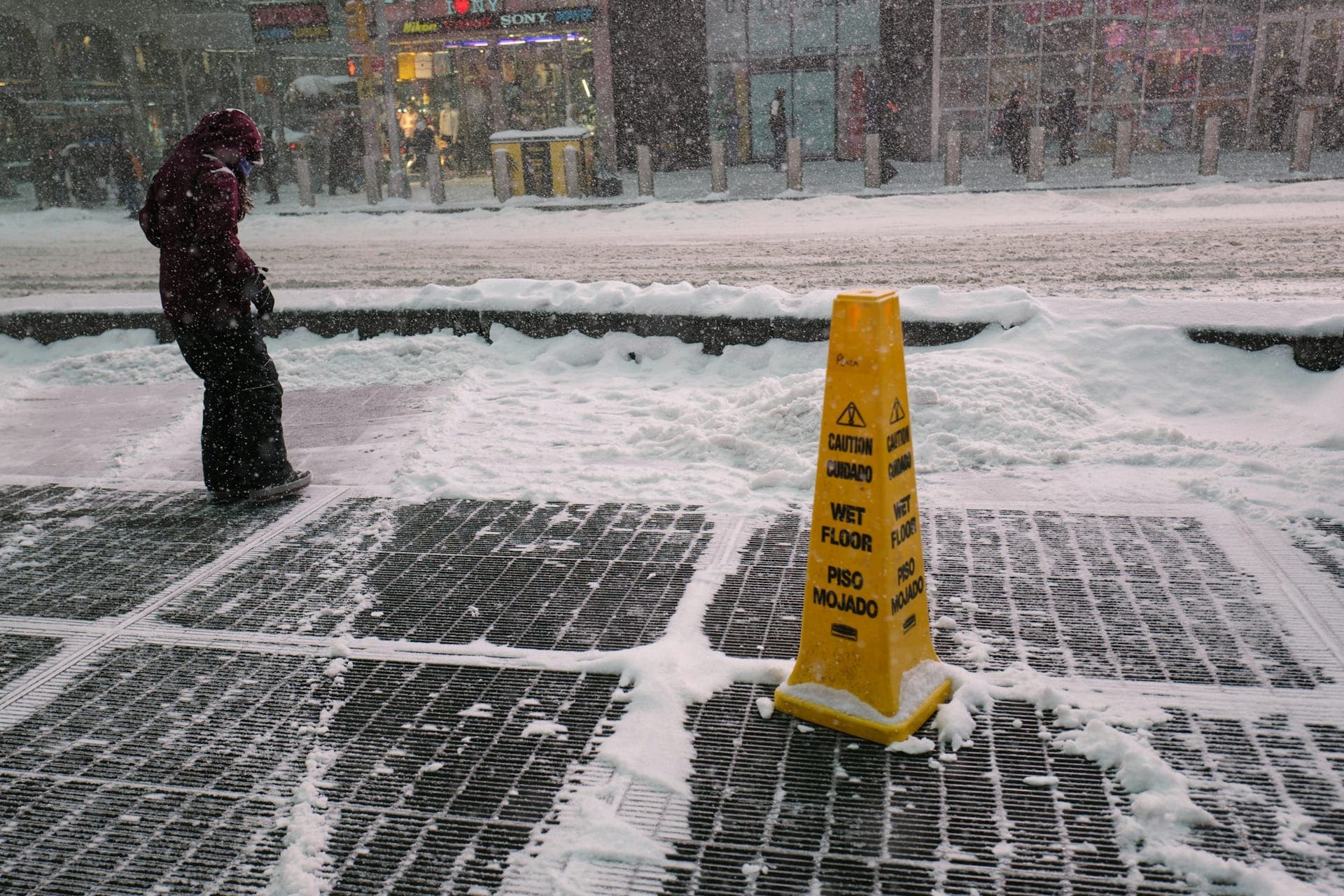
Spokane's dangerous days are rarely the snowy ones. They're the bright afternoons in the low thirties that melt the surface of a lot, followed by a clear night that drops it well below freezing and turns the runoff into a transparent sheet across the exact path people walk from their car to the door. The city's freeze-thaw cycle runs for months, and it produces more slip-and-fall exposure than the storms do.
Ice control that works against that cycle has to be driven by pavement temperature rather than air temperature or the calendar. A surface can read thirty-four degrees in the air and twenty-eight on the asphalt, and the de-icing material that works at one of those numbers does nothing at the other. We monitor pavement conditions across the season, apply anti-icing before forecast events so a bond never forms, and match post-storm de-icing material and rate to what the surface is actually doing.
Spokane geography adds two specific problems. Grades on the South Hill and hillside properties channel meltwater downhill and refreeze it at the bottom, often across a drive lane or an accessible route. And north-facing entrances, shaded courtyards, and the lee side of buildings hold ice for days after the rest of the lot has dried, so a property can look completely clear and still have a hazard at one door. Both get identified on the site map and treated as named priority areas rather than discovered after an incident.
Product and rate are set against pavement temperature rather than air temperature, and the thresholds are written into the site plan before the season starts. That matters most on the freeze-thaw days Spokane gets in quantity, when a lot that drained clear at noon glazes over by five. PNW Snow Services provides anti-icing and de-icing for commercial and community properties throughout Spokane. Contact us for a free walkthrough.
Local Specifics
How We Run De-Icing in Spokane
The parts of the plan that exist because of this city, not because they're on a checklist.
Pavement temperature, not air temperature
Material and application rate are matched to what the asphalt reads, not the thermometer on the building. A surface eight degrees colder than the air needs a different product, and the log records which one was used.
Anti-icing before the event
Treating ahead of a forecast storm or freeze stops ice from bonding to pavement in the first place. Breaking a bond that already formed takes more material and more time.
Shaded and north-facing areas are named on the plan
Entrances in shadow, courtyards between buildings, and the lee side of a structure hold ice long after the open lot dries. They're mapped as priority areas and treated on every visit.
Grades treated where the water ends up
On South Hill and hillside properties, meltwater refreezes at the bottom of the slope, often across a drive lane or an accessible route. Treatment follows the drainage, not just the parking.
More in Spokane
Other Services We Provide in Spokane
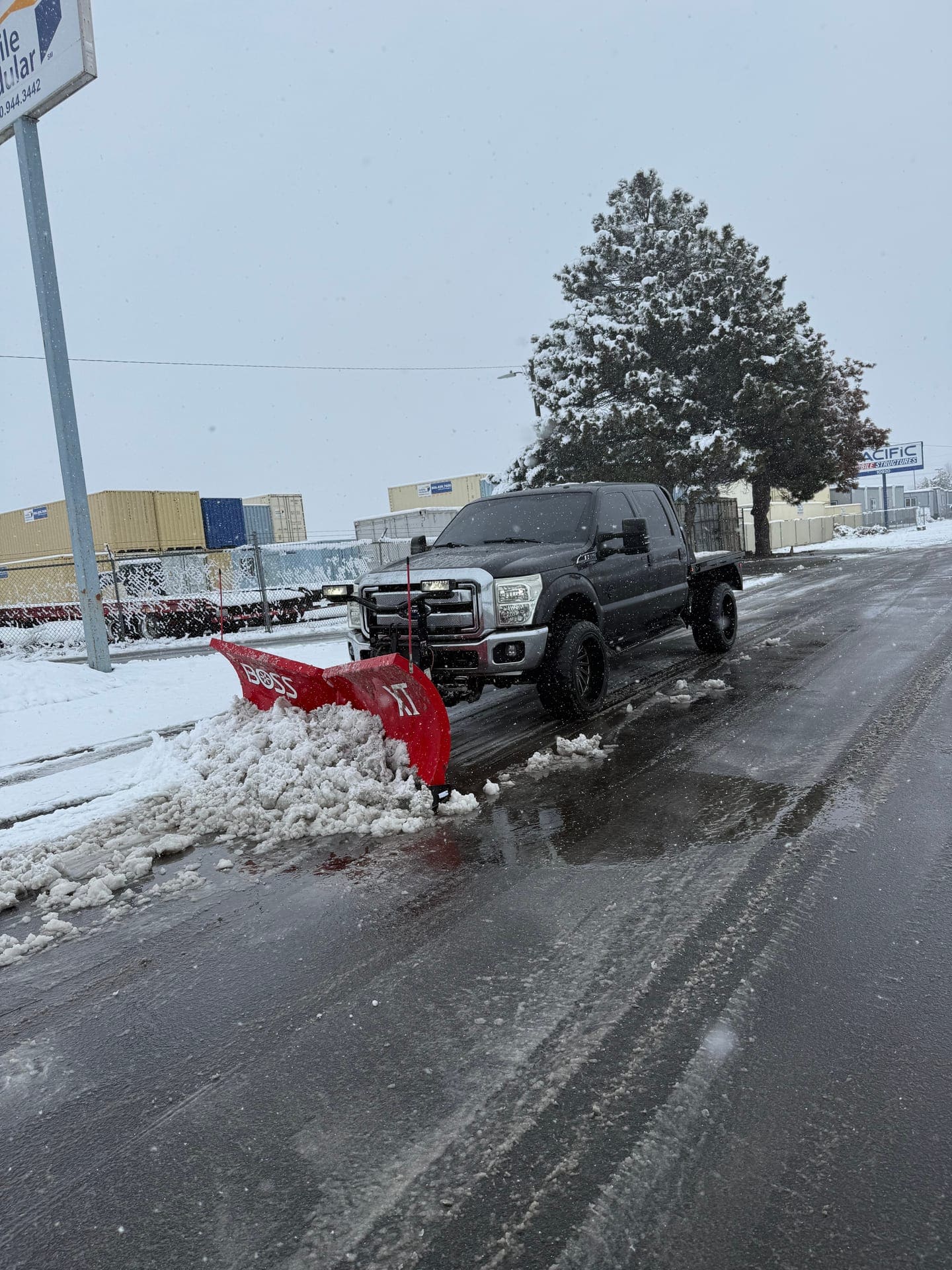
Snow Plowing in Spokane
Parking lots, drive lanes, loading areas, and private roads, cleared at your contracted trigger depth before the property opens.
Learn more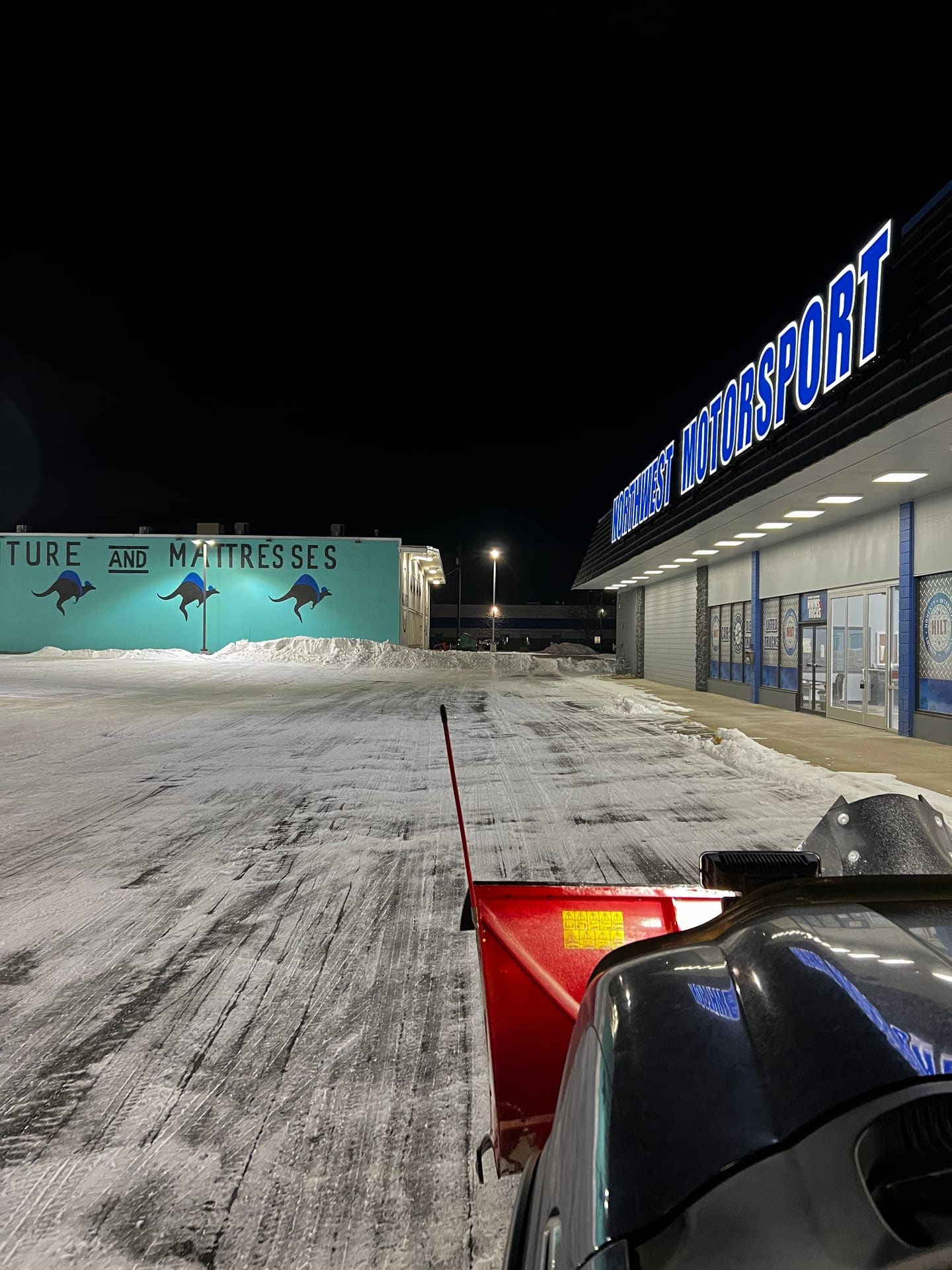
Sidewalk Clearing in Spokane
Entrances, stairs, breezeways, mail kiosks, and accessible routes, cleared and treated for ice on the same visit as the lot.
Learn more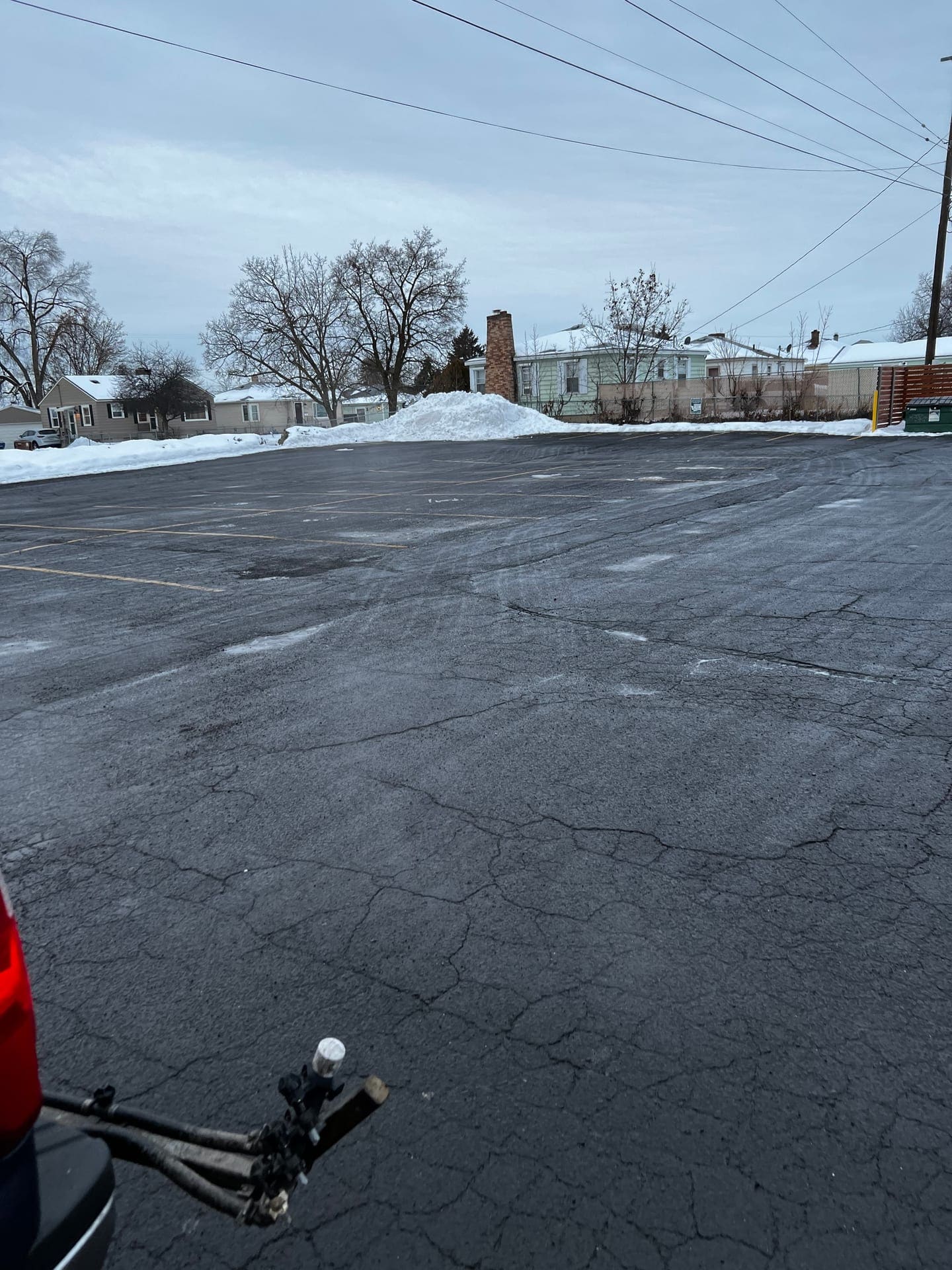
Snow Removal & Hauling in Spokane
Loader and truck service to relocate or haul off piles once they start taking parking stalls or blocking sightlines.
Learn more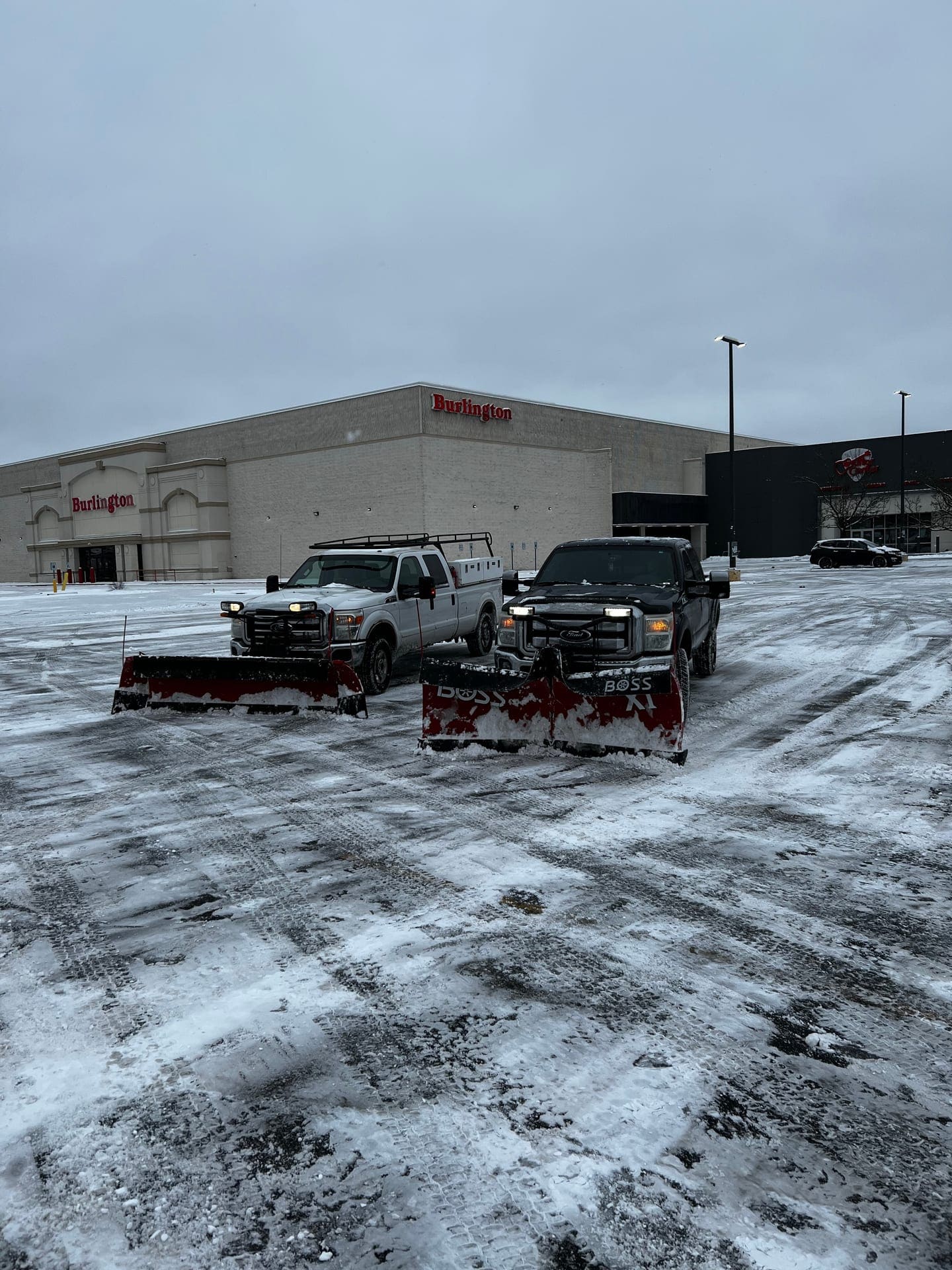
Snow & Ice Management in Spokane
Plowing, sidewalks, and ice control under one seasonal agreement, with a single point of contact for the whole property.
Learn more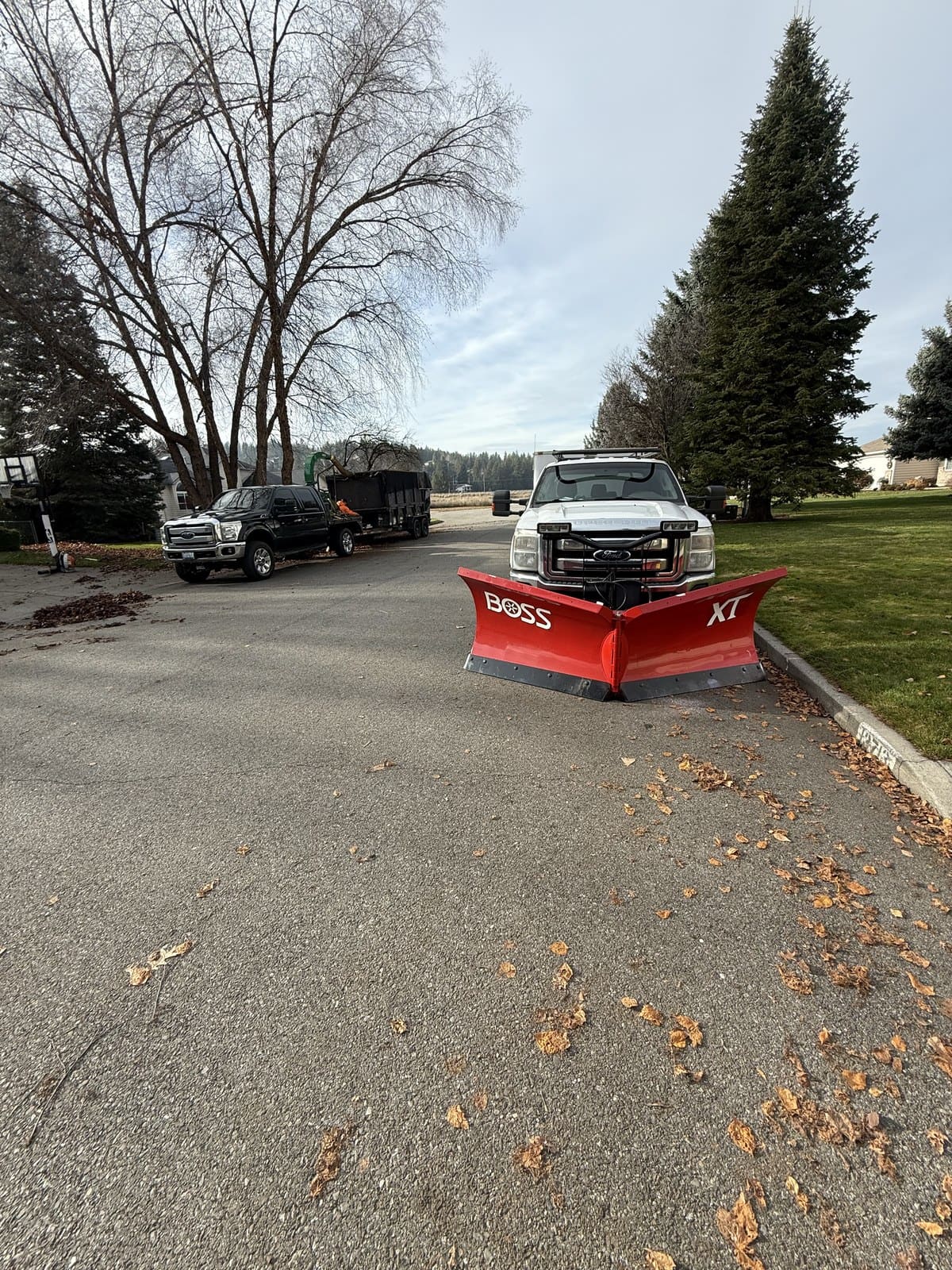
Seasonal Snow Management in Spokane
One annual agreement: mapped site plan, defined trigger depths, guaranteed route placement, and a fixed monthly price.
Learn moreFAQ
Spokane De-Icing Questions
Why does our Spokane lot ice over on days it never snowed?
What's the difference between anti-icing and de-icing?
Is de-icing included in a seasonal contract or billed per application?
Will de-icing material damage our concrete or landscaping?
De-Icing for Your Spokane Property
Free site walkthrough and a written seasonal proposal. Commercial and community properties only.