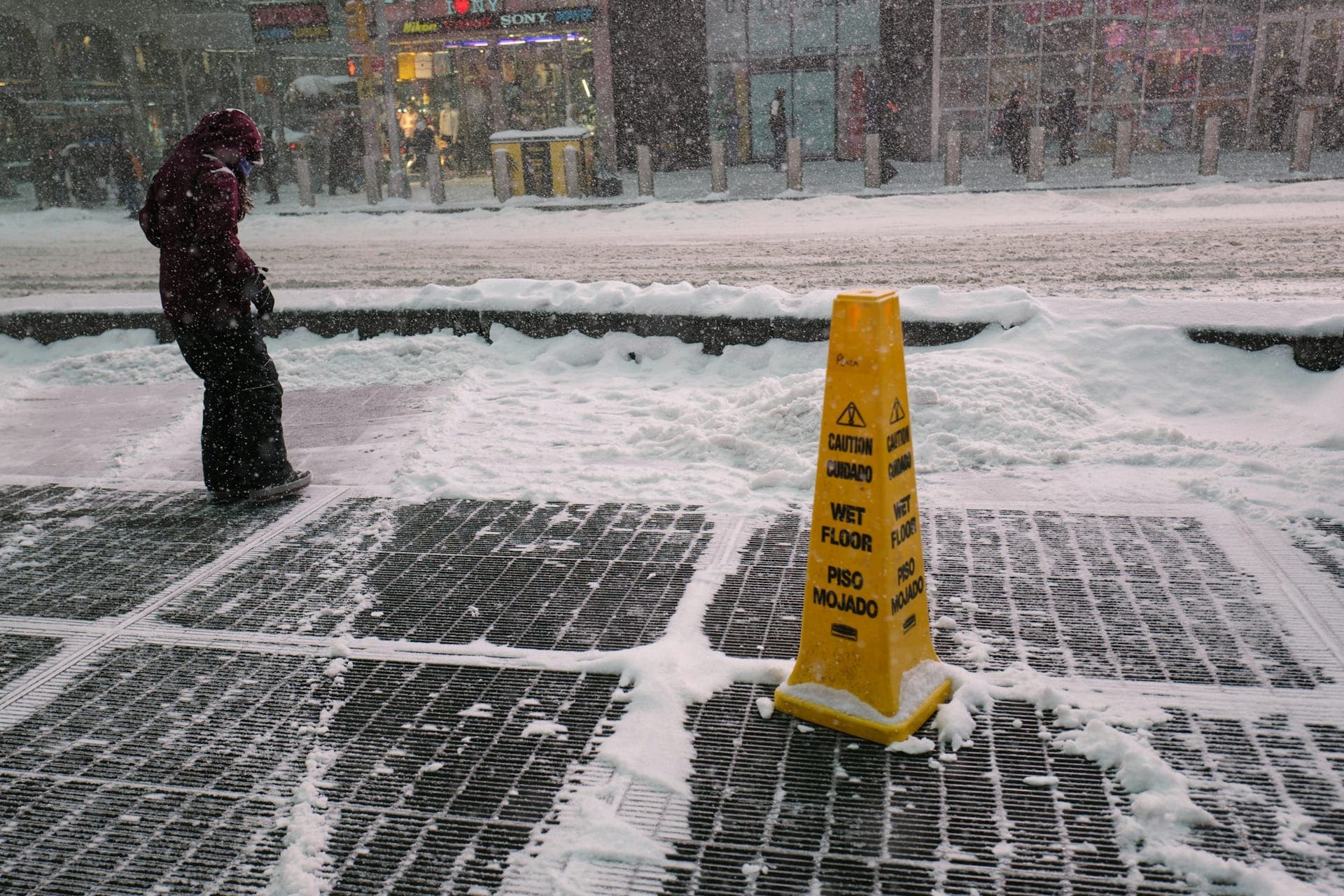
Coeur d'Alene, ID
Commercial De-Icing in Coeur d'Alene
Colder pavement changes what works. Material and rate matched to the surface, not to the forecast.
- Seasonal contracts with a mapped site plan
- 24/7 storm monitoring and overnight service
- Written scope, trigger depths & priority order
- Licensed, bonded & insured, COIs on request
De-Icing · Coeur d'Alene
Commercial De-Icing in Coeur d'Alene, ID
Ice control in Coeur d'Alene operates in a colder band than it does on the Spokane valley floor, and that single fact matters more than most property managers realize. Rock salt's effectiveness falls off sharply as pavement temperature drops, and there is a range, common on CdA mornings, where a standard salt application looks like it's doing something, fails to break the bond, and leaves a wet surface that refreezes harder than before it was treated. Treating cold pavement with the wrong product is worse than not treating it.
So the program here is built around knowing the surface temperature and choosing accordingly, including pre-wetting and alternate materials when the pavement is below the range where salt alone performs. Anti-icing matters even more in this climate than it does in Spokane: applying before an event so a bond never forms sidesteps the whole cold-pavement problem, and it's why monitoring rather than reacting is the center of the service.
Coeur d'Alene also runs more moisture than the plains do. Heavier, wetter snowfall and lake-influenced humidity mean more water on the pavement to begin with, and shaded downtown and Riverstone walkways between buildings can hold ice for days after an open lot has dried completely. A property can look entirely clear and still have a glazed section at one entrance, which is why shaded areas, north-facing doors, and inter-building paths are named on the site plan and treated on every visit instead of inspected occasionally.
Material selection on the Idaho side follows the same rule as on the Washington side: the product has to work at the pavement temperature in front of it, not at the temperature on the forecast. On the cold nights Coeur d'Alene gets more of, that means reaching for a different material rather than more of one that has already stopped working. PNW Snow Services provides anti-icing and de-icing for commercial, retail, hospitality, office, and community properties throughout Coeur d'Alene. Licensed, bonded, and insured in WA and ID. Contact us for a free walkthrough.
Local Specifics
How We Run De-Icing in Coeur d'Alene
The parts of the plan that exist because of this city, not because they're on a checklist.
Cold pavement needs a different product
Salt's performance collapses below a certain surface temperature, common on CdA mornings. Material choice, pre-wetting, and rate follow the pavement reading rather than habit.
Anti-icing does the heavy lifting here
Treating before an event so ice never bonds sidesteps the cold-pavement problem entirely. That's why monitoring, not reacting, is the center of the program.
Shaded and north-facing areas named on the plan
Downtown and Riverstone walkways between buildings hold ice for days after the open lot has dried. Those surfaces are treated on every visit, not checked occasionally.
More moisture to manage
Heavier, wetter snow and lake-influenced humidity put more water on the pavement to start with, which means more to treat and more that can refreeze.
More in Coeur d'Alene
Other Services We Provide in Coeur d'Alene
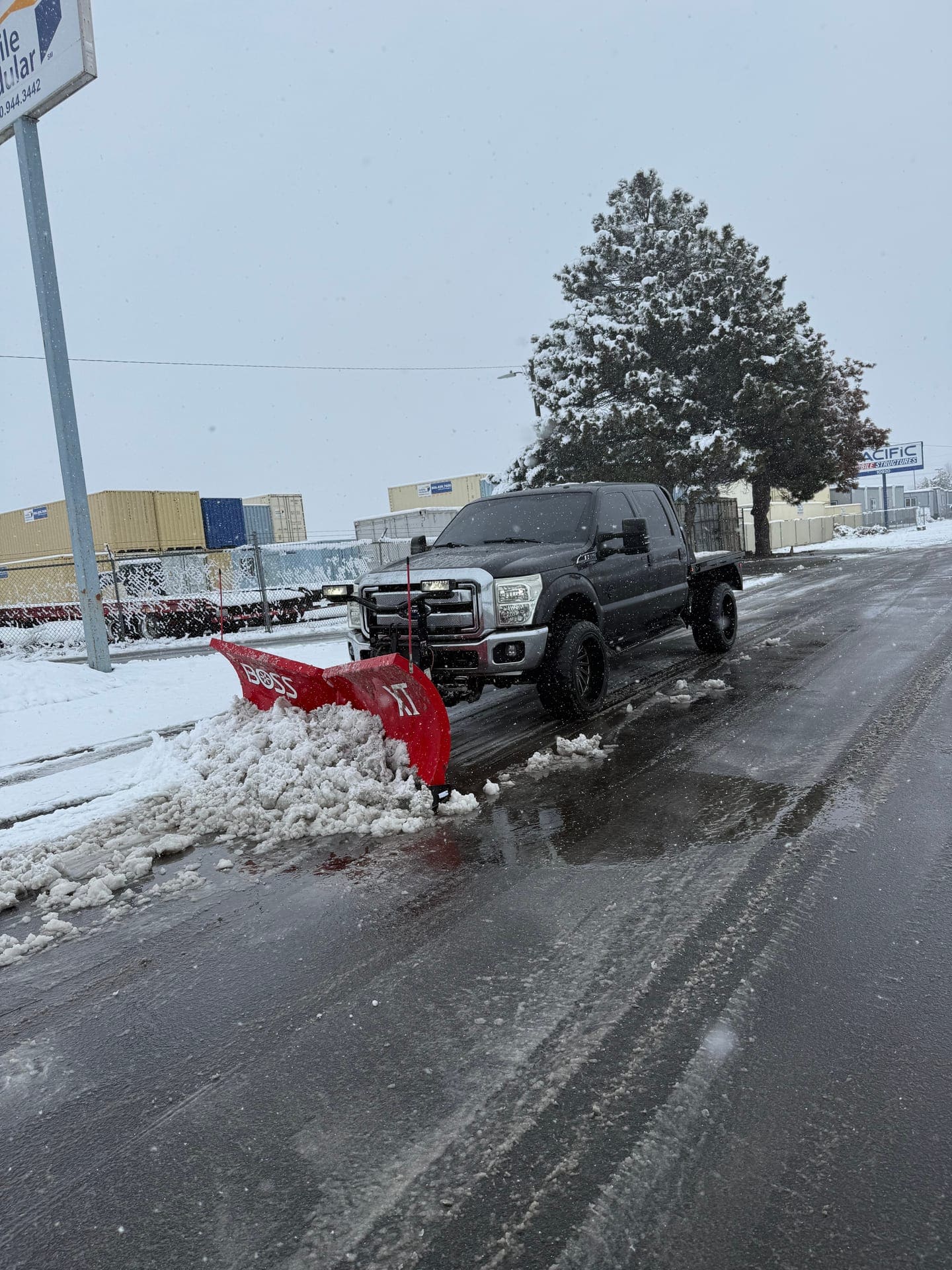
Snow Plowing in Coeur d'Alene
Parking lots, drive lanes, loading areas, and private roads, cleared at your contracted trigger depth before the property opens.
Learn more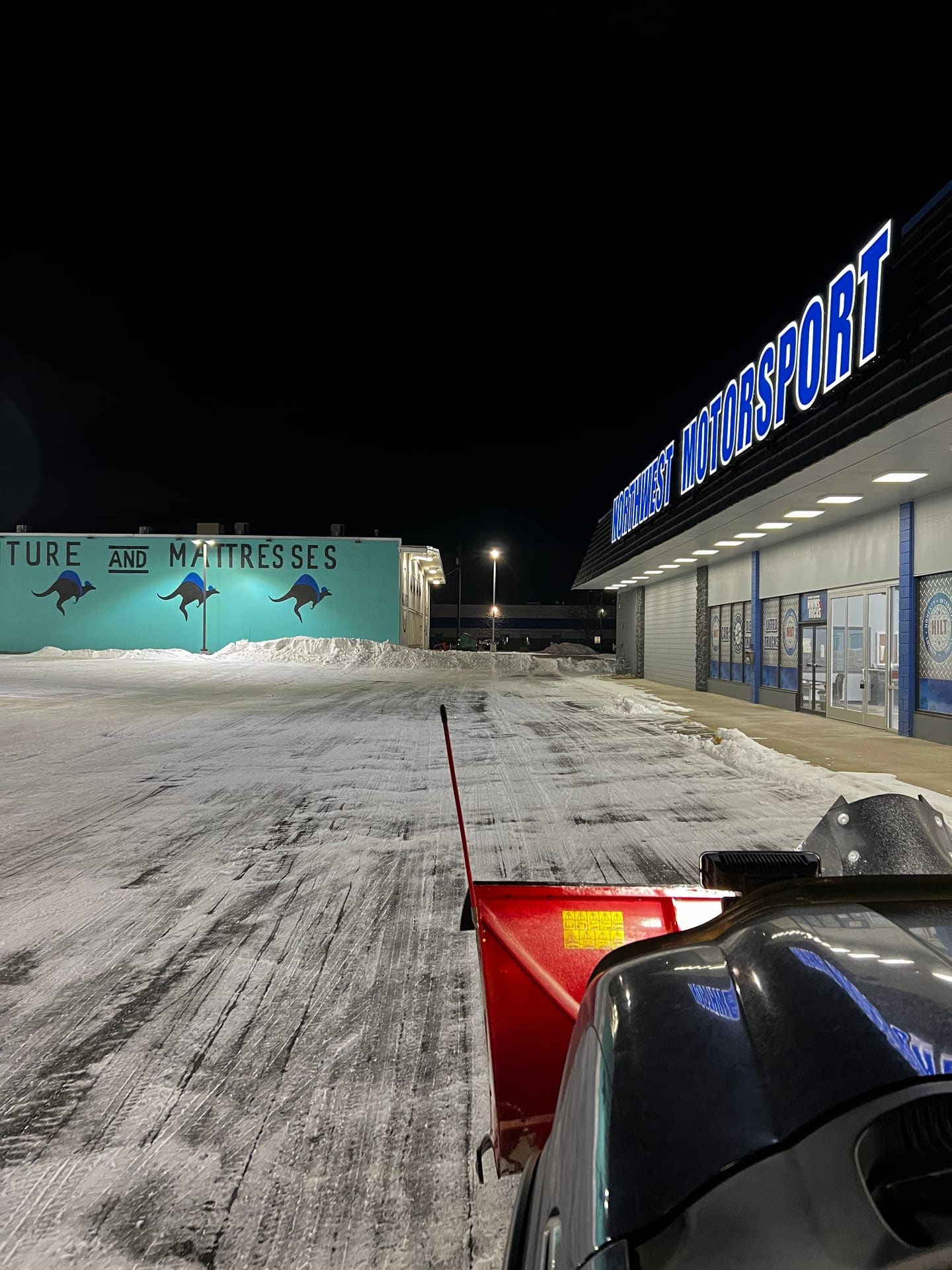
Sidewalk Clearing in Coeur d'Alene
Entrances, stairs, breezeways, mail kiosks, and accessible routes, cleared and treated for ice on the same visit as the lot.
Learn more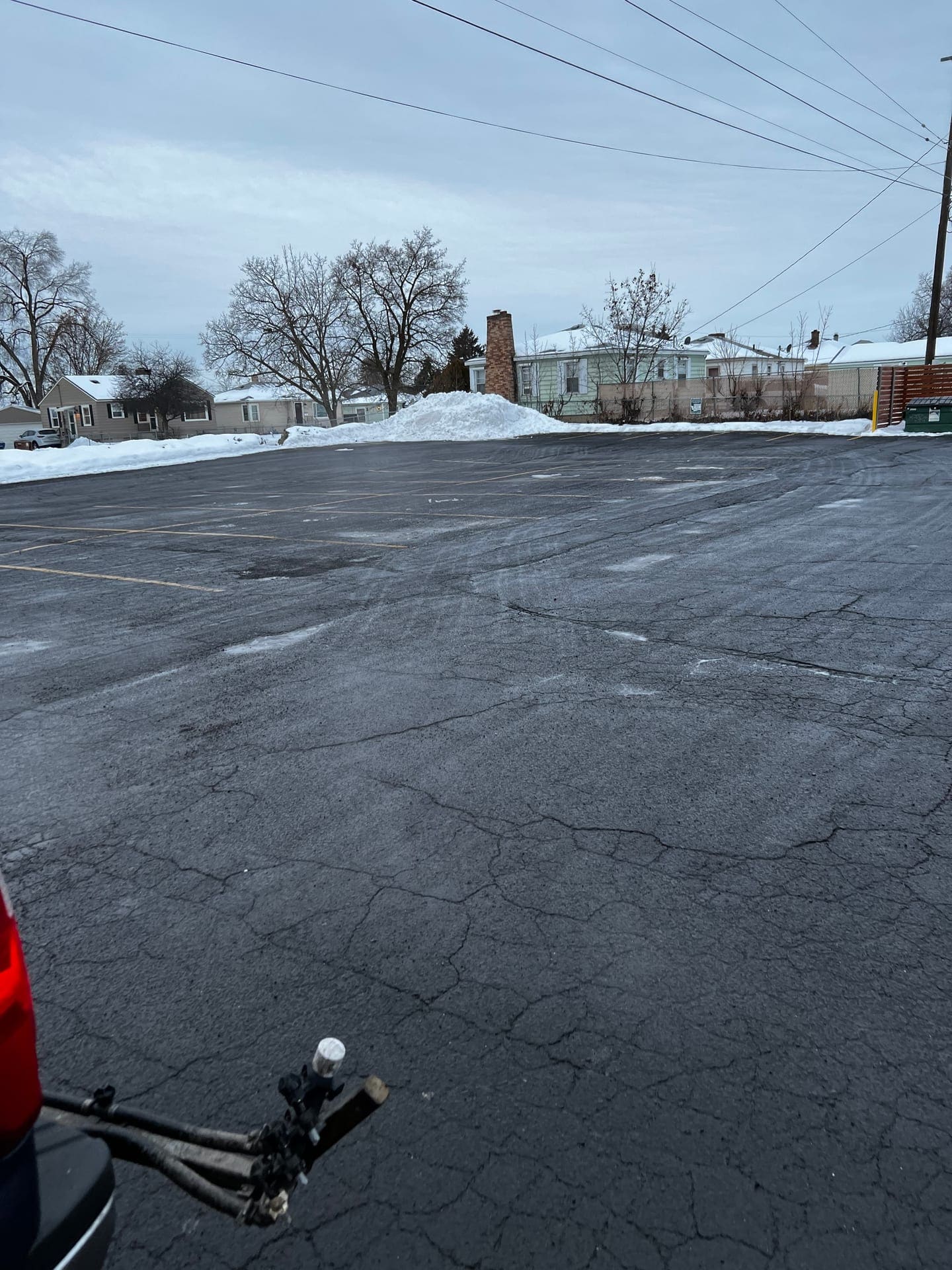
Snow Removal & Hauling in Coeur d'Alene
Loader and truck service to relocate or haul off piles once they start taking parking stalls or blocking sightlines.
Learn more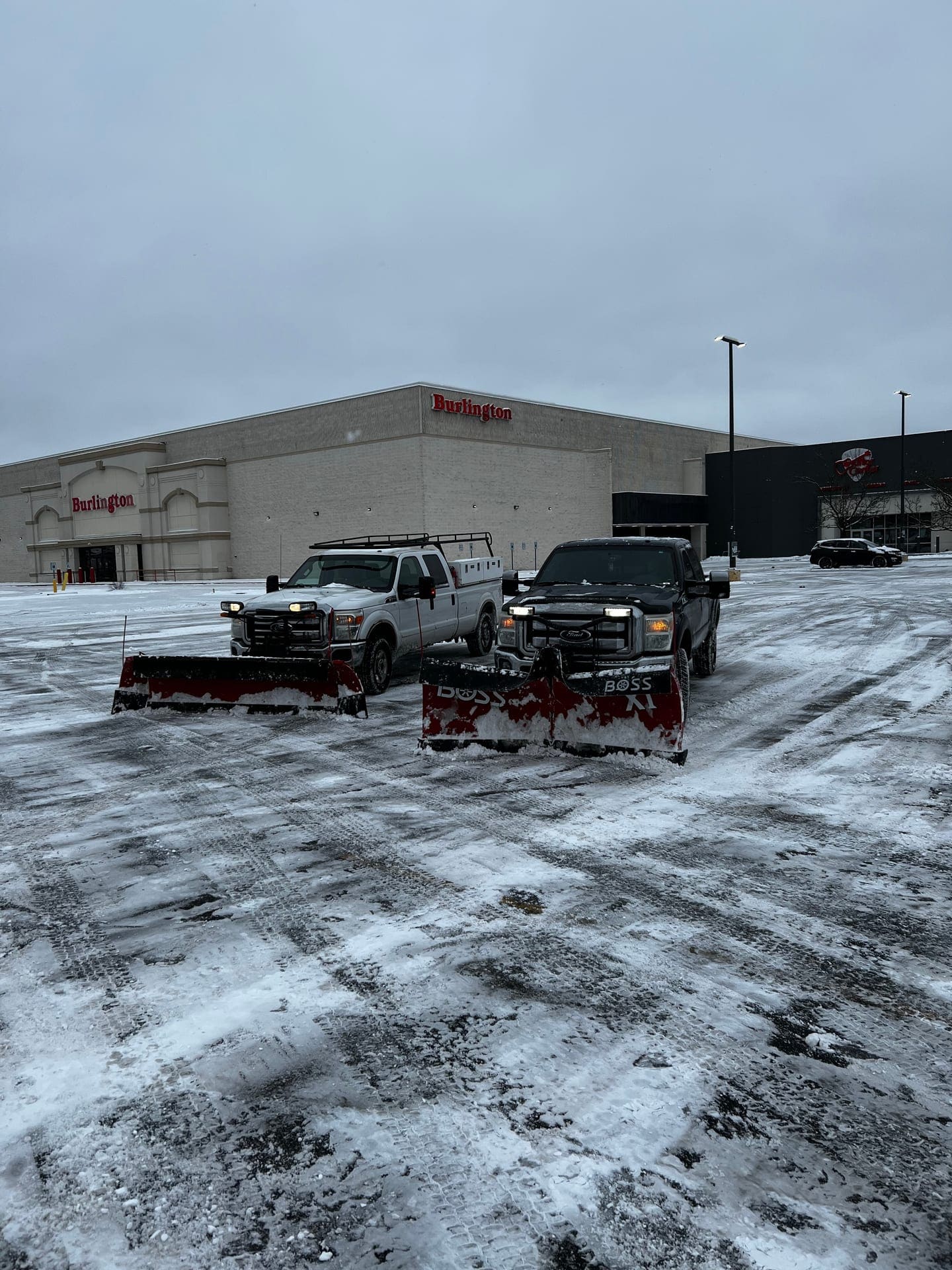
Snow & Ice Management in Coeur d'Alene
Plowing, sidewalks, and ice control under one seasonal agreement, with a single point of contact for the whole property.
Learn more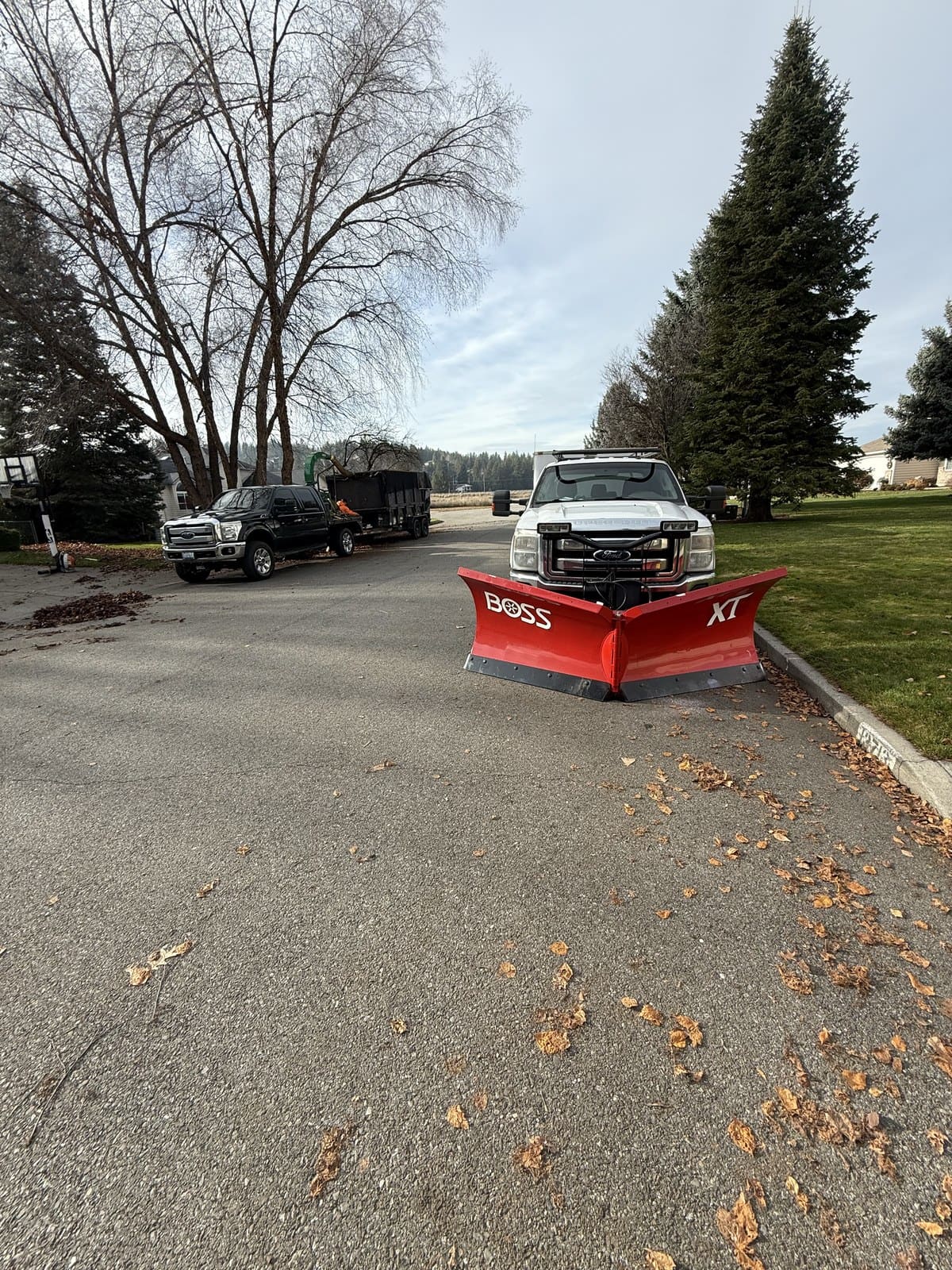
Seasonal Snow Management in Coeur d'Alene
One annual agreement: mapped site plan, defined trigger depths, guaranteed route placement, and a fixed monthly price.
Learn moreFAQ
Coeur d'Alene De-Icing Questions
Why doesn't salt seem to work on our Coeur d'Alene lot some mornings?
What's the difference between anti-icing and de-icing?
Do you treat sidewalks and entrances or just the parking lot?
De-Icing for Your Coeur d'Alene Property
Free site walkthrough and a written seasonal proposal. Commercial and community properties only.