Liberty Lake, WA
Commercial De-Icing in Liberty Lake
Community streets, amenity walks, and clinic entrances treated to pavement temperature, with the record a board can hand a homeowner.
- Seasonal contracts with a mapped site plan
- 24/7 storm monitoring and overnight service
- Written scope, trigger depths & priority order
- Licensed, bonded & insured, COIs on request
De-Icing · Liberty Lake
Commercial De-Icing in Liberty Lake, WA
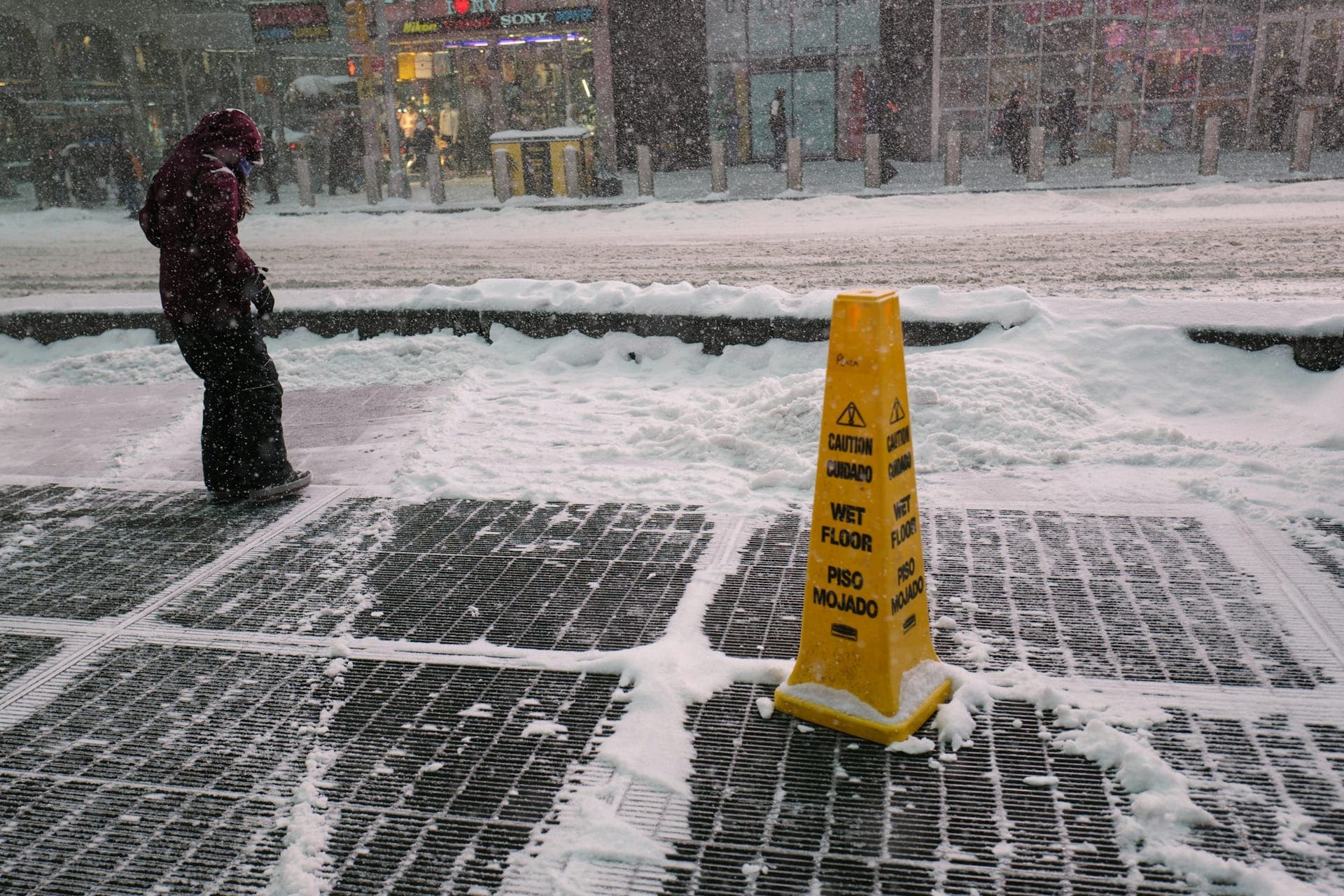
Ice control in a Liberty Lake community is mostly a timing problem. The surfaces that matter are the streets on grade and the approaches to mail kiosks and amenity buildings, and they are worth treating before an event rather than after it. Anti-icing that stops the bond forming uses a fraction of the material it takes to break ice that has already set, and it keeps the community passable from first light rather than from mid-morning.
Operationally, community streets have problems commercial lots don't. There's nowhere convenient to store plowed snow, so piles end up on the margins of a street or a cul-de-sac where their meltwater runs downhill across the pavement and refreezes overnight, frequently right at an intersection or a mail kiosk where people stop and walk. Those runoff paths are traced during the walkthrough and become named priority areas in the ice-control scope, treated through the freeze-thaw weeks rather than only after storms. Cul-de-sac bowls and the low point of any grade get the same treatment, since that's where the water ends up.
The business park, medical, and office properties along the freeway corridor get a tighter standard on walking surfaces. A clinic entrance, the path from accessible parking to the door, and any sloped approach need to be treated before the first patient arrives, and they need re-treating during the day when a bright afternoon melts snow onto them. Pavement temperature drives the choice: the surface can read well below the air temperature in a shaded entry, and material that works at one number does nothing at the other.
Anti-icing does most of the work. Treating before a forecast storm or an overnight freeze stops ice from bonding at all, which uses less material and holds better than breaking a bond after the fact, and on a community street it also means fewer applications and less residual material for residents to track indoors. PNW Snow Services provides anti-icing and de-icing for HOAs, business parks, medical and office properties, and retail throughout Liberty Lake. Contact us for a free walkthrough.
Local Specifics
How We Run De-Icing in Liberty Lake
The parts of the plan that exist because of this city, not because they're on a checklist.
A record a board can forward
Arrival time, ground and air temperature, conditions, material applied and where, and photos, so a question about one street on one morning gets answered in one email.
Runoff paths and cul-de-sac low points named
Street-margin piles send meltwater downhill to refreeze at intersections and mail kiosks. Those paths and the low point of every grade are standing priority areas in the scope.
Clinic and office entrances treated before opening
Entrance aprons, accessible routes, and sloped approaches are done before the first patient arrives and re-treated during the day when afternoon melt runs onto them.
Anti-icing keeps residual material down
Treating ahead of a freeze prevents bonding with less product, which on a community street also means less residue tracked into homes and onto amenity floors.
More in Liberty Lake
Other Services We Provide in Liberty Lake
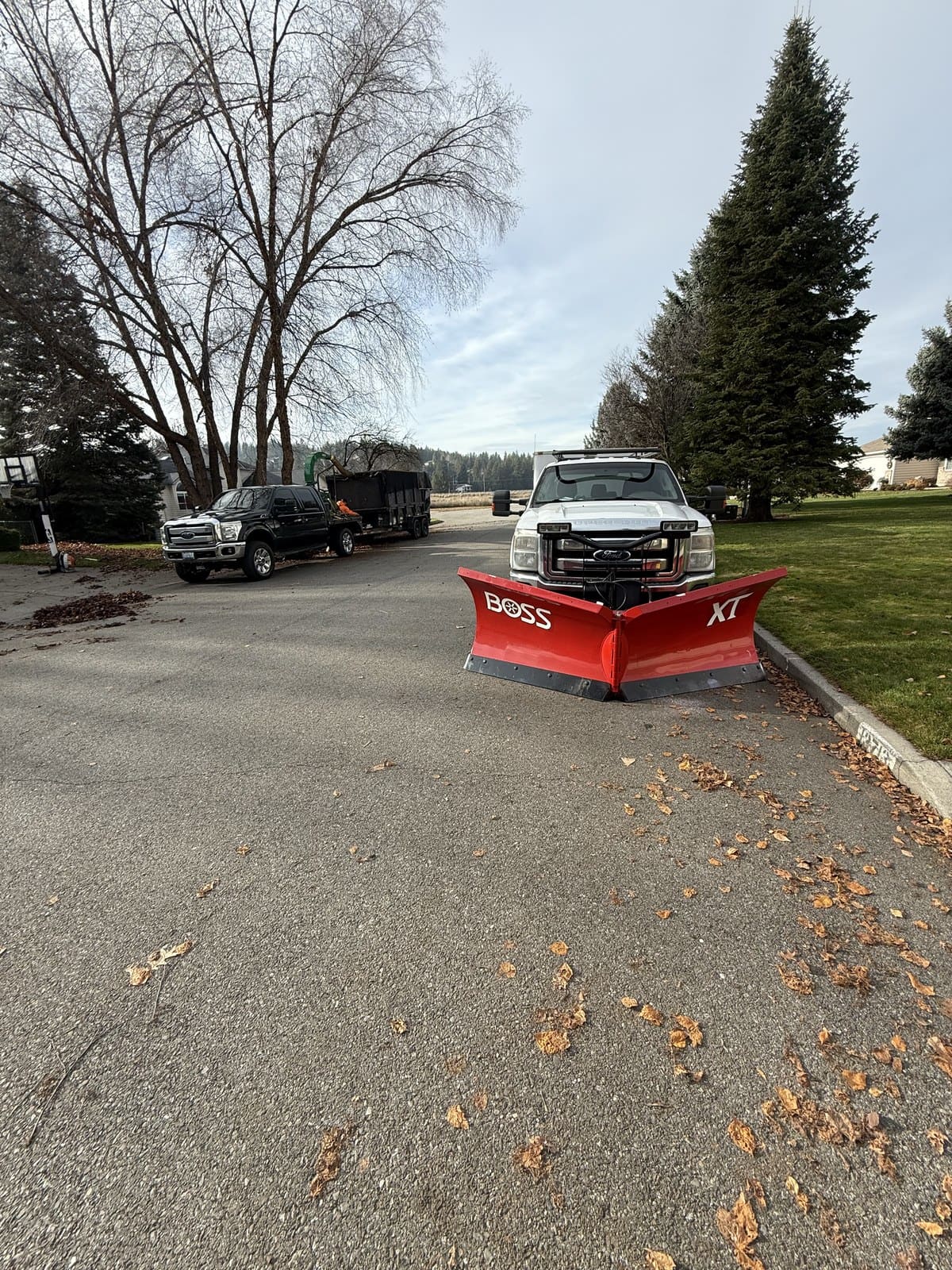
Seasonal Snow Management in Liberty Lake
One annual agreement: mapped site plan, defined trigger depths, guaranteed route placement, and a fixed monthly price.
Learn more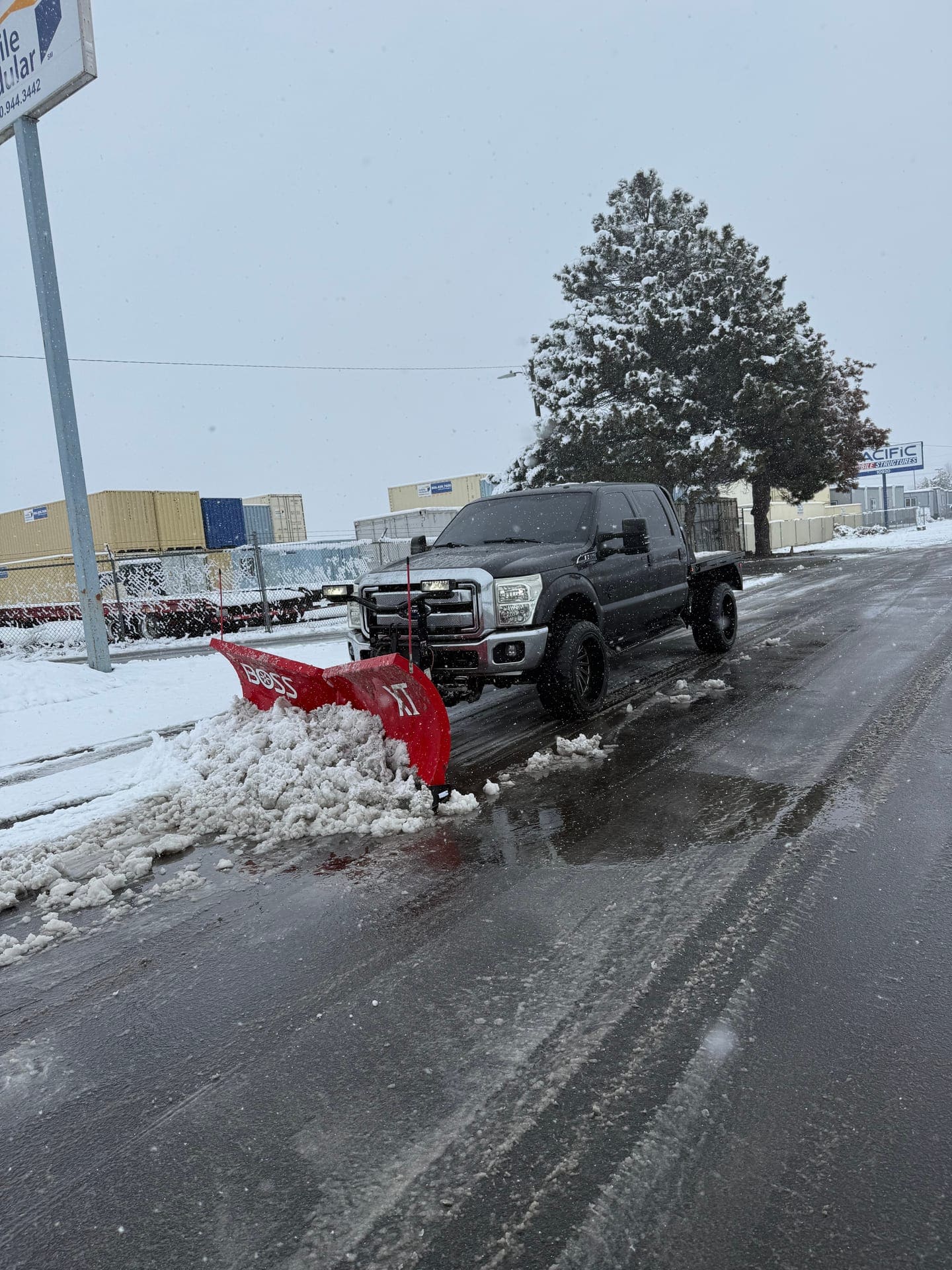
Snow Plowing in Liberty Lake
Parking lots, drive lanes, loading areas, and private roads, cleared at your contracted trigger depth before the property opens.
Learn more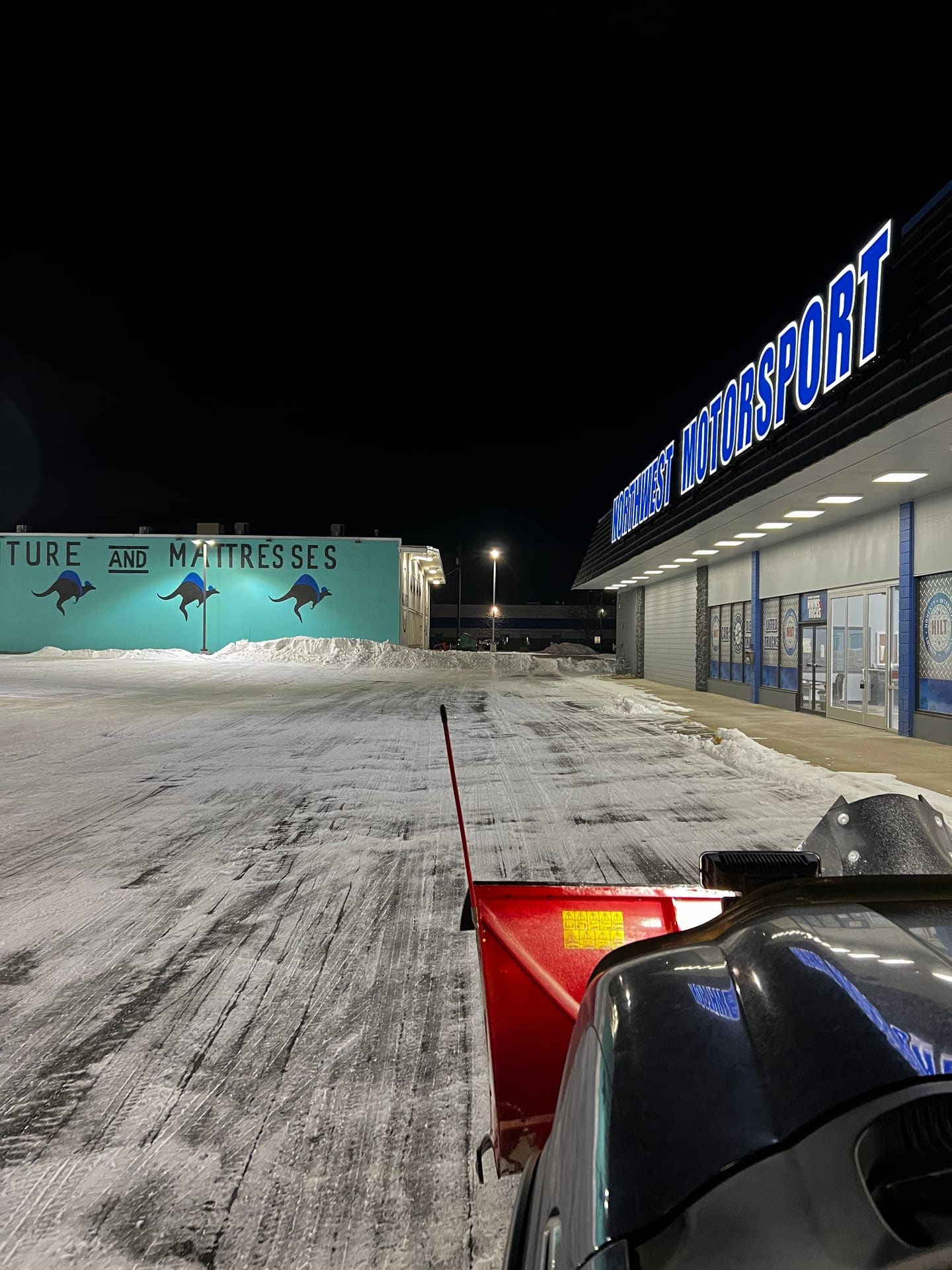
Sidewalk Clearing in Liberty Lake
Entrances, stairs, breezeways, mail kiosks, and accessible routes, cleared and treated for ice on the same visit as the lot.
Learn more
Snow & Ice Management in Liberty Lake
Plowing, sidewalks, and ice control under one seasonal agreement, with a single point of contact for the whole property.
Learn moreFAQ
Liberty Lake De-Icing Questions
How does the board know which streets get treated first?
Why does ice keep forming at the same intersection in our community?
Will de-icing material damage our community's concrete walks or landscaping?
De-Icing for Your Liberty Lake Property
Free site walkthrough and a written seasonal proposal. Commercial and community properties only.