Slip-and-Fall Claims: What Your Snow Contract Should Say
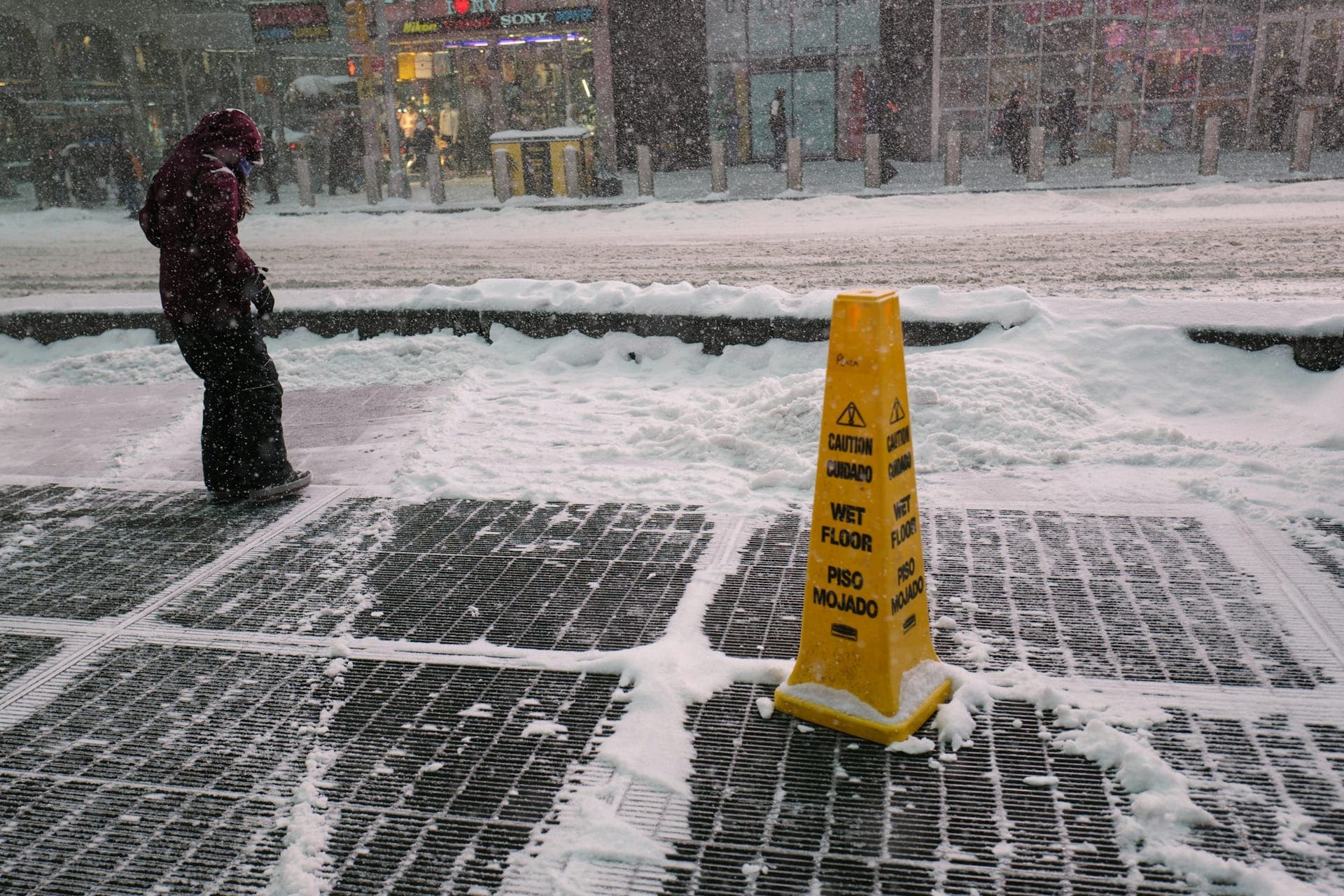
A winter slip-and-fall claim rarely arrives during the storm. It arrives in April, or the following year, in a letter from an attorney asking what the property's condition was at 6:40 a.m. on a specific January morning. What you can produce at that moment decides a lot.
What "Reasonable Care" Looks Like on Paper
Premises liability generally turns on whether the property owner or manager took reasonable steps to address a known hazard. In the Inland Northwest, snow and ice are known hazards every winter. The question becomes: what did you do about them, and can you show it?
A contractor engaged on a handshake "when it snows" leaves you with an invoice and a recollection. A written seasonal agreement leaves you with terms that existed before the morning in question.
What Should Be in the Agreement
The questions that get asked after an incident are mostly answerable from the contract, if the contract was specific enough:
- Trigger depth, the accumulation that puts crews on the property, rather than a vague promise to monitor.
- Service window: overnight, before the morning commute, or before a stated opening time.
- Every walking surface by name: entries, stairs, landings, breezeways, mail kiosks, accessible routes, and public frontage, not a single "sidewalks" line.
- Priority order, which surfaces are cleared first when the whole property can't be done at once.
- Ice control, whether treatment is included or billed per application, and what triggers a re-treat.
- Hauling: what happens when stacking zones fill, decided before they do.
Vagueness in any of those is where the disagreement starts.
Why Pavement Temperature Matters
Air temperature is what people notice; pavement temperature is what causes ice. A lot can be above freezing in the air and well below it underfoot, and some de-icers simply stop working at low surface temperatures. A scope that keys ice control to pavement temperature rather than to snowfall is describing the hazard that actually produces falls.
The Surfaces That Produce Claims
It is rarely the parking. Exterior stairs hold ice longest, breezeways and covered entries refreeze at the drip line where the cover ends, and curb ramps get plowed shut by a crew working the lot. If those are not named individually in the scope, they are the ones that get missed.
The Bottom Line
Nothing eliminates liability. But a property whose winter maintenance was scoped, mapped, and priced before the season is in a different position than one that improvised, and the contract is the first document anyone asks for. Ask a prospective contractor what their agreement actually commits to. If it doesn't name your trigger depth or your stairs, it's worth a conversation with us.

PNW Snow Services
The commercial snow and ice management division of PNW Lawncare: locally owned and operated in Spokane, WA, serving HOAs, multi-family, retail, and commercial properties across the Inland Northwest.
Planning winter coverage for a commercial property?
Get a free site walkthrough and a written seasonal proposal from the Spokane area's commercial snow and ice specialists.